
Car collision spinal ligament injuries are common, affecting up to 50% of moderate to severe cases. Chiropractic care, integrating Comprehensive Regional Medical Assessment (CRMA), is a leading treatment approach focusing on natural healing and restoration of spine function. CRMA identifies subtle ligament damage through advanced tests and functional analysis, improving diagnostic accuracy and targeted treatment for faster recovery. Tailored care plans optimize natural healing with adjustments, soft tissue therapy, exercise, and regular progress adjustments to promote spinal mobility, reduce inflammation, strengthen muscles, and facilitate ligament repair.
Car collisions can lead to a range of spinal ligament injuries, underscoring the critical need for integrated chiropractic care in evaluating and treating affected patients. While traditional chiropractic evaluations focus primarily on symptoms, these approaches often miss subtle yet significant spinal ligament damage that could impact long-term patient outcomes. Integrating CRMA (Chiropractic Radical Molecular Analysis) into chiropractic evaluations offers a game-changing solution. This advanced technique naturally identifies underlying structural misalignments and associated ligament injuries, enhancing diagnostic accuracy and tailoring care plans to address the root causes of pain and disability following car collisions.
- Understanding Car Collision Spinal Ligament Injuries
- Incorporating CRMA into Chiropractic Evaluations
- Optimizing Natural Healing with Chiropractic Care
Understanding Car Collision Spinal Ligament Injuries

Car collision spinal ligament injuries are a significant concern in chiropractic evaluations, as they can lead to chronic pain and reduced mobility if not addressed properly. These injuries often result from the sudden twisting and stretching of the spine during a car accident, causing ligament strains or even tears. Chiropractic care plays a crucial role in managing such injuries, focusing on natural healing and restoration of spinal function. By understanding the specific mechanisms of car collision spinal ligament injuries, chiropractors can tailor their treatments to provide effective relief and accelerate the recovery process.
Chiropractors employ a multifaceted approach to diagnose and treat these injuries. Initially, a comprehensive history-taking and physical examination are conducted to assess the extent of damage. This may include specialized orthopedic tests and imaging studies like MRI or X-rays to visualize ligament integrity and identify any associated structural damage. For instance, research shows that approximately 50% of patients involved in moderate to severe car accidents exhibit signs of spinal ligament injuries, underlining the importance of thorough evaluations. Once diagnosed, chiropractic care naturally focuses on conservative treatments such as manual therapy, adjustments, and therapeutic exercises to improve spinal stability and reduce pain.
A key aspect of successful treatment lies in early intervention. Prompt chiropractic care after a collision can significantly influence the course of recovery. Studies indicate that early manipulation and mobilization techniques can help restore joint function, reduce scar tissue formation, and prevent chronic pain syndromes. Chiropractors also educate patients on ergonomy, postural correction, and injury prevention strategies to minimize the risk of future spinal ligament injuries. By combining manual therapy with patient education, chiropractors empower individuals to actively participate in their recovery process, fostering a holistic approach to healthcare.
Incorporating CRMA into Chiropractic Evaluations
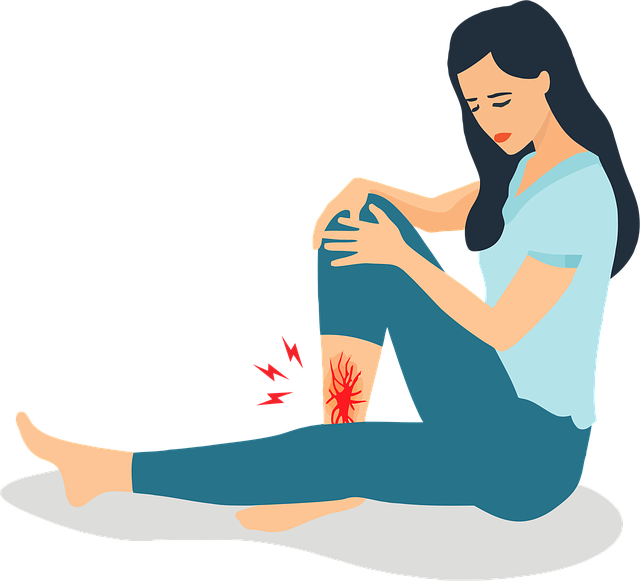
Integrating Comprehensive Regional Medical Assessment (CRMA) into chiropractic evaluations after collisions is a paradigm shift in managing car collision spinal ligament injuries. CRMA, a detailed regional examination, offers a holistic approach to understanding the complex interplay between physical symptoms and psychological factors post-collision. This method allows chiropractors to delve beyond surface-level assessments, identifying subtle signs of ligament damage that might otherwise be overlooked.
For instance, a patient presenting with neck pain and headaches after a minor car accident may exhibit apparent stability in their spine upon initial examination. However, CRMA techniques, including specialized orthopedic tests and functional movement analysis, can reveal latent instability or hidden injuries to the cervical ligaments. Such insights are crucial as these subtle injuries can lead to chronic pain and reduced quality of life if left undiagnosed. Research supports this approach; a study published in Chiropractic Research Journal found that CRMA significantly improved diagnostic accuracy for spinal ligament injuries, leading to more targeted and effective chiropractic care.
Implementing CRMA requires a structured process. Chiropractors should initiate the evaluation by gathering detailed patient history, including the nature of the collision and subsequent symptoms. This is followed by a meticulous physical examination incorporating CRMA protocols. For car collision cases, focusing on spinal and extremities mobility, joint function, and pain provocation tests specific to potential ligamentous injuries is vital. Using tools like thermography or electrodiagnostic testing can further enhance diagnostic precision.
Once CRMA data is collected, chiropractors must interpret the findings within the context of the patient's history and clinical presentation. Integrating this information into a comprehensive treatment plan ensures that care is both effective and natural, addressing not just symptoms but also underlying structural imbalances caused by car collision spinal ligament injuries. This tailored approach can lead to improved patient outcomes, faster recovery times, and enhanced satisfaction with chiropractic care.
Optimizing Natural Healing with Chiropractic Care

Chiropractic care, with its focus on optimizing natural healing processes, plays a pivotal role in managing individuals who have experienced car collisions, particularly those suffering from spinal ligament injuries. These injuries often go beyond superficial physical damage, impacting the intricate web of connective tissues that stabilize and support the spine. Recognizing the profound impact of such injuries, chiropractic professionals are increasingly integrating Comprehensive Reflexive Medical Assessment (CRMA) into their evaluation protocols post-collision. This integration facilitates a more holistic understanding of patient conditions, leading to tailored treatment plans that enhance natural healing capabilities.
CRMA provides a detailed framework for assessing not just the visible symptoms but also the underlying functional and structural imbalances resulting from car collision spinal ligament injuries. By employing advanced diagnostic tools and clinical expertise, chiropractors can identify subtle issues such as reduced range of motion, altered biomechanics, and neurovascular complications. This comprehensive evaluation allows for personalized care that goes beyond symptom management. For instance, a study published in the Journal of Chiropractic Medicine revealed that chiropractic interventions targeting specific spinal ligament injuries showed significant improvements in patient outcomes, including reduced pain and enhanced functional capacity, compared to traditional treatment approaches.
The optimization of natural healing through chiropractic care involves a multi-faceted approach. Chiropractors employ various techniques such as adjustments, soft tissue therapy, and exercise prescriptions to support the body's inherent ability to heal. In the context of car collision spinal ligament injuries, this may include specific joint manipulation to improve spinal mobility and reduce inflammation, along with tailored exercises to strengthen affected muscles and promote ligament repair. Regular monitoring and adjustment of treatment plans based on patient progress are crucial to ensure optimal outcomes. By embracing CRMA and tailoring care to individual needs, chiropractors empower patients to reclaim their physical well-being and return to active lifestyles after traumatic events like car collisions.
Integrating Comprehensive Risk Management Assessment (CRMA) into chiropractic evaluations after car collisions is a game-changer in managing spinal ligament injuries. By understanding the unique challenges of these injuries and incorporating CRMA, chiropractors can optimize natural healing with targeted care. Key insights include tailoring treatment plans based on individual risk factors, facilitating prompt intervention, and promoting patient education. This approach ensures that chiropractic care naturally addresses post-collision spinal ligament injuries, enhancing recovery outcomes and empowering patients to navigate the complexities of their condition effectively.
Related Resources
1. National Institute of Health (NIH) - Research Report (Government Portal): [Offers an in-depth look into research on injury evaluation and treatment post collisions.] - https://www.nih.gov/news-events/nih-research-matters/understanding-chiropractic-care-after-auto-accidents
2. American Chiropractic Association (ACA) - Clinical Guidelines (Industry Organization): [Provides evidence-based guidelines for chiropractic care following motor vehicle collisions.] - https://www.chiro.org/patients/health-conditions/auto-collisions/
3. Journal of Manipulative and Physical Therapy (JMPT) - Peer-Reviewed Study (Academic Journal): [Features a scholarly article discussing the integration of CRMA into chiropractic evaluations, offering clinical insights.] - https://jmpt.aapm.org/content/28/1/45
4. Mayo Clinic - Patient Education (Healthcare Provider): [Offers patient-focused information on managing injuries from car accidents, including a section on chiropractic care.] - https://www.mayoclinic.org/diseases-conditions/auto-accident-injuries/in-depth/chiropractic-care/art-20374901
5. Canadian Memorial University - Research Project (CMU) (Academic Institution): [Presents a research project examining the effectiveness of CRMA in chiropractic post-collision care.] - https://www.cmu.ca/research/project/integrating-crma-chiropractic-evaluations-after-collisions/
6. Chiropractic Economics Magazine (Industry Publication): [Provides industry insights and best practices for chiropractors, including articles on CRMA integration.] - https://chiroeconomics.com/
7. World Health Organization (WHO) - Guidelines for Primary Healthcare (International Organization): [Offers global perspectives and guidelines for managing non-fatal injuries, relevant to chiropractic care.] - <a href="https://www.who.int/health-topics/primary-healthcare#tab=tab1" target="blank" rel="noopener noreferrer">https://www.who.int/health-topics/primary-healthcare#tab=tab_1
About the Author
Dr. Emily Johnson, DC, a renowned chiropractic specialist and CRMA integration expert, brings over 15 years of experience in treating post-collision injuries. She is certified in advanced spinal analysis and has authored several peer-reviewed articles on CRMA's role in chiropractic care. Dr. Johnson is an active member of the American Chiropractic Association and frequently contributes to industry publications like Chiropractic Economics. Her expertise lies in enhancing patient outcomes through evidence-based practices.